After causing considerable damage between 2018 and 2022, with infested wood volumes exceeding 1.2 million cubic meters in 2019 and 2020, the spruce bark beetle (Ips typographus) seemed to be returning to equilibrium. Affected volumes had significantly decreased to an estimated 100,000 m³ in 2024, a trend confirmed in 2025 and 2026 with generally low activity.
However, since late August 2026, many forest managers have been reporting fresh boreholes on still-green spruce trees. These observations, spread across different areas of the territory, indicate a marked resurgence in the insect's activity. Similar findings are reported in several European countries, including France and Germany. The particularly hot and dry climatic conditions of 2026 have favored the pest's development, likely corresponding to a third generation.
While it is too early to confirm the arrival of a new crisis comparable to that of 2018-2021, the Walloon Forest Health Observatory (OWSF) recommends particular attention to limit the establishment of new outbreaks. Actions taken in autumn and winter will directly influence the situation in 2027. Early detection and rapid management of infested trees remain the best ways to limit the risk of local proliferation.
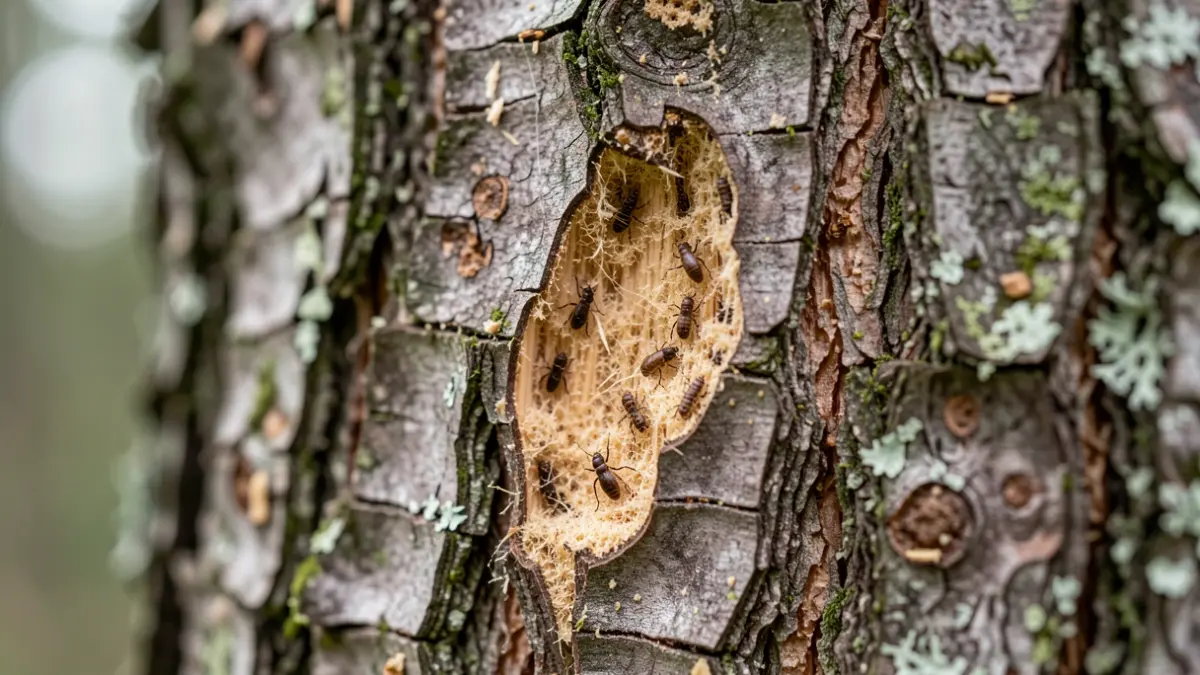
The OWSF advises strengthening the monitoring of stands by looking for symptoms such as entry holes, sawdust at the base of the trunk or in bark crevices, yellow to reddish-brown discoloration of the crown, and abnormal needle drop. If in doubt, lifting the bark with a chisel generally confirms the presence of galleries, adults, or larvae. Recently attacked trees should be harvested and removed from the forest as soon as possible, or debarked if removal is not feasible, to interrupt the insect's life cycle.
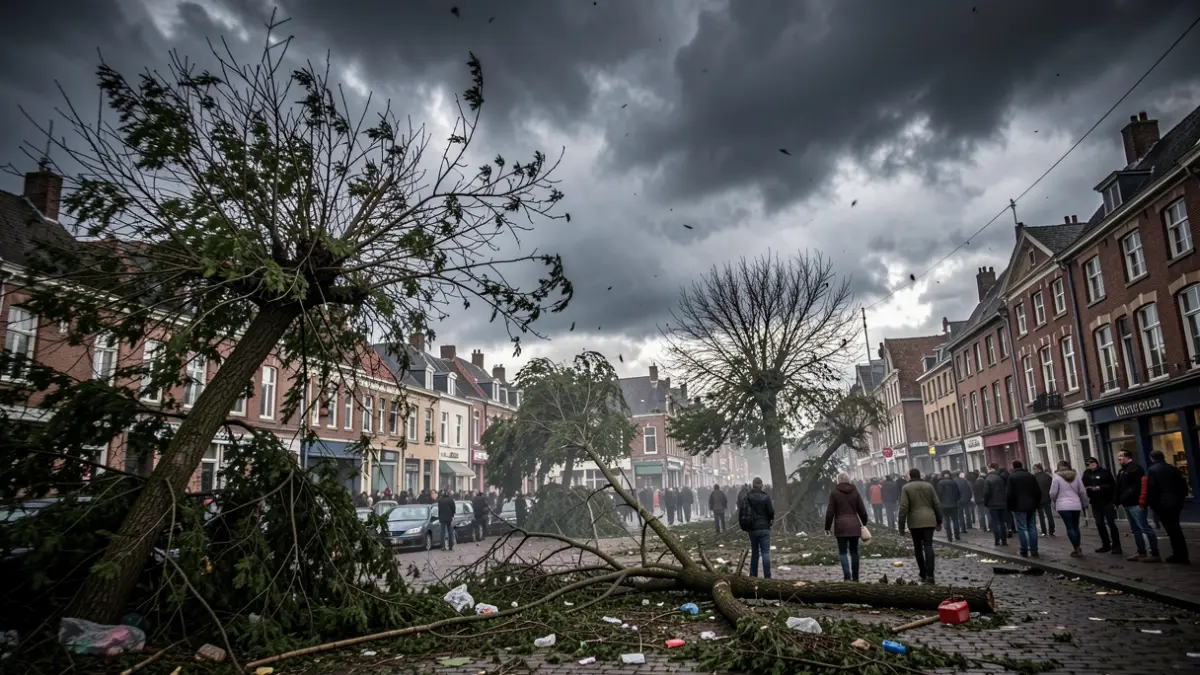
It is also recommended to limit wood stocks in the forest, as spruce logs and wind-felled trees are particularly favorable breeding grounds for the bark beetle. Ideally, this wood should be removed or treated before March 31, 2027, to reduce the insect's multiplication potential at the start of the next growing season.