Arlon Inaugurates Hydrion Park: 30 Hectares of Nature Near City Center
This new recreational, educational, and ecological space, the result of six years of planning and construction, aims to enhance biodiversity and quality of life.
By Caroline Leroy
••3 min read
AI
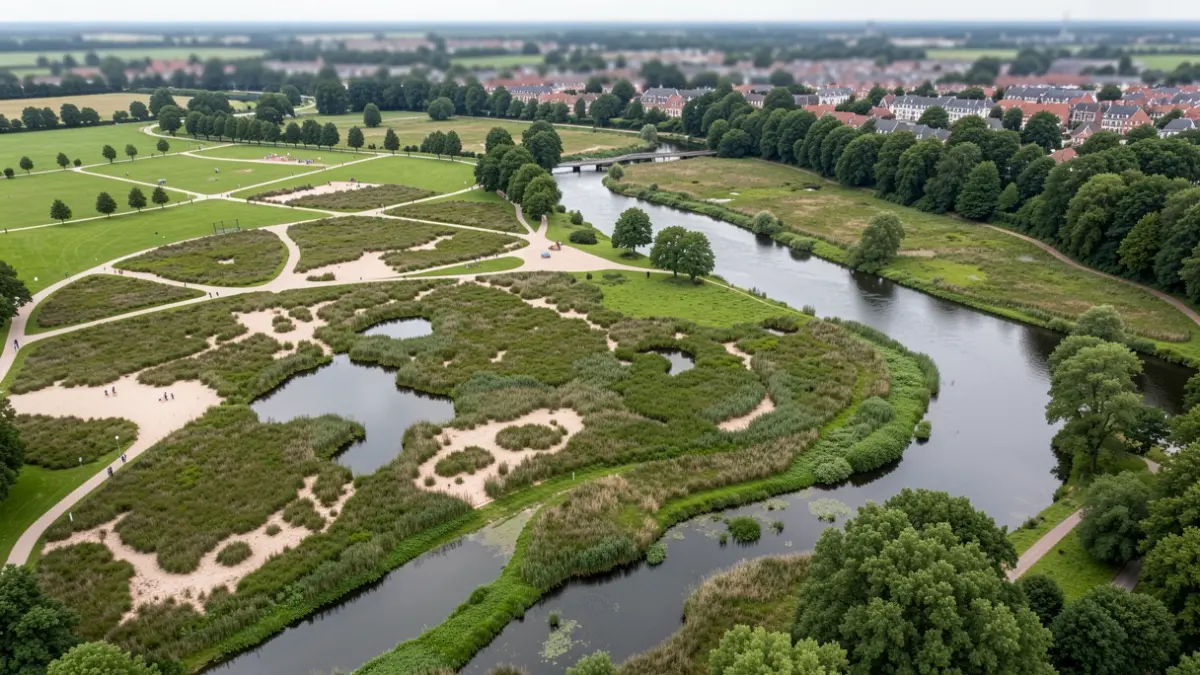
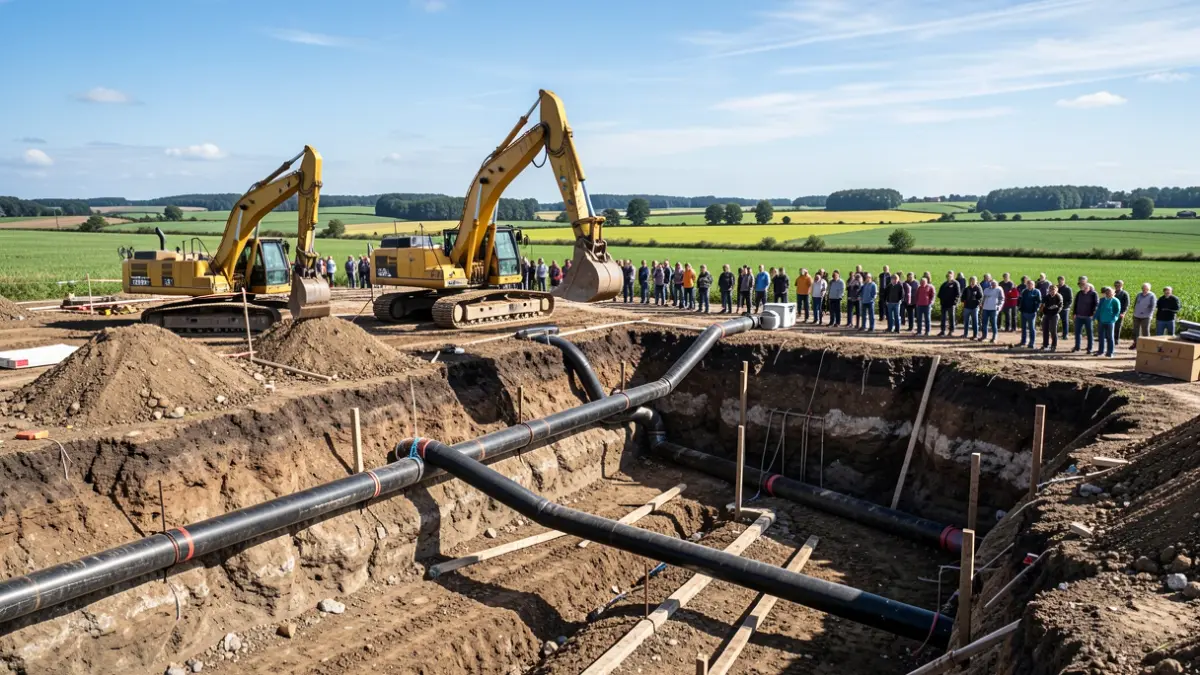
Aerial view of the new Hydrion Park in Arlon, a vast recreational natural space with diverse environments and paths.
The City of Arlon has inaugurated Hydrion Park, a new 30-hectare recreational natural space located less than a kilometer from the city center, following six years of studies and eighteen months of work.
After six years of studies and preparation, followed by eighteen months of construction, the City of Arlon has officially opened Hydrion Park. This 30-hectare natural recreational space is strategically situated less than a kilometer from the city center and the train station, representing an investment of over 5.5 million euros, supported by more than 3.3 million euros in subsidies.
The project aims to transform the site into a natural, recreational, educational, and accessible area. It addresses four major challenges: strengthening biodiversity, improving quality of life, developing soft mobility, and adapting the territory to the effects of climate change.
“
"With Hydrion Park, Arlon is gaining a new space for nature, social gathering, and soft mobility. The result of many years of work and broad collaboration between public partners, this project concretely illustrates the City's commitment to enhancing residents' quality of life while addressing tomorrow's climate and environmental challenges."
Bisected by approximately 800 meters of the Semois river, the park features a mosaic of natural environments including sandy heaths, marshes, dry and wet meadows, groves, and humid forests. These diverse habitats support a variety of fauna and flora, such as beavers, roe deer, birds, insects, and amphibians.
Hydrion Park also offers convivial spaces, including 1,600 m² of playgrounds, a green theater, a dog park, rest and picnic areas, as well as two discovery loops of 1 and 3 kilometers.
The site plays a crucial role in water management and flood prevention. Its hydraulic management and a large floodable meadow can temporarily retain up to 15,000 m³ of water during heavy rainfall, helping to control the Semois river's flow and protect downstream areas. The preservation of the site's ecological richness also contributes to combating heat islands.
Integrated into Arlon's active mobility network, the park includes 1.3 kilometers of cycle-pedestrian paths, two footbridges, and several kilometers of trails. These facilities facilitate connections between the city center, the train station, the Maison de la Culture, and the ADEPS sports center, notably via wooden footbridges and boardwalks, and a direct link to the Chemin Noir (RAVeL).
Hydrion Park also serves as a place for discovery, marked by ten poetic and educational stops. These information points cover biodiversity, the Semois river, beavers, birds, as well as the history of the tram and Arlon, featuring illustrations, texts, and poems created by Fanny Dreyer.
The realization of this collective project was led by IDELUX Projets Publics, with involvement from IDELUX Eau for hydraulic management. Numerous institutional, technical, and environmental partners contributed, including the Province of Luxembourg, ADEPS, the Department of Nature and Forests, the Semois-Chiers River Contract, Natagora, Natagriwall, the Walloon Region, and the Delegate Official.
“
"We are proud to have supported this ambitious project that meets citizens' aspirations and aligns with the European Union's priorities on sustainability. This park is a magnificent space of nature and leisure offered to the people of Arlon. Our investment also helps connect the Schoppach economic activity park and the center, promoting soft mobility. A real asset for the city, making it more accessible, more pleasant to live in, and better prepared for today's and tomorrow's environmental challenges."
The project, co-financed by the Walloon Region and the European Union through various recovery plans and ERDF funds, strengthens ecological continuities and soft mobility links within the Arlon territory.
Based on information from the official source: Idelux — Actualités (26/09/2026)