Under the slogan « It starts with a small step », the 2026 edition of the Wallonia Mobility Week highlighted walking and launched an ambitious collective challenge: to cover 150,000 kilometers on foot or by bike. For the first time, 22 Walloon municipalities organized Car-Free Days, offering a concrete glimpse of transformed public spaces.
From September 16 to 22, hundreds of organizations offered various activities to encourage different modes of transport. In total, 151 municipalities and non-profits, 112 companies, and 72 schools actively participated. Initiatives included walking meetings, bike buses, repair workshops, carpooling breakfasts, lunchtime walks, and road safety awareness sessions on alternatives to the car.
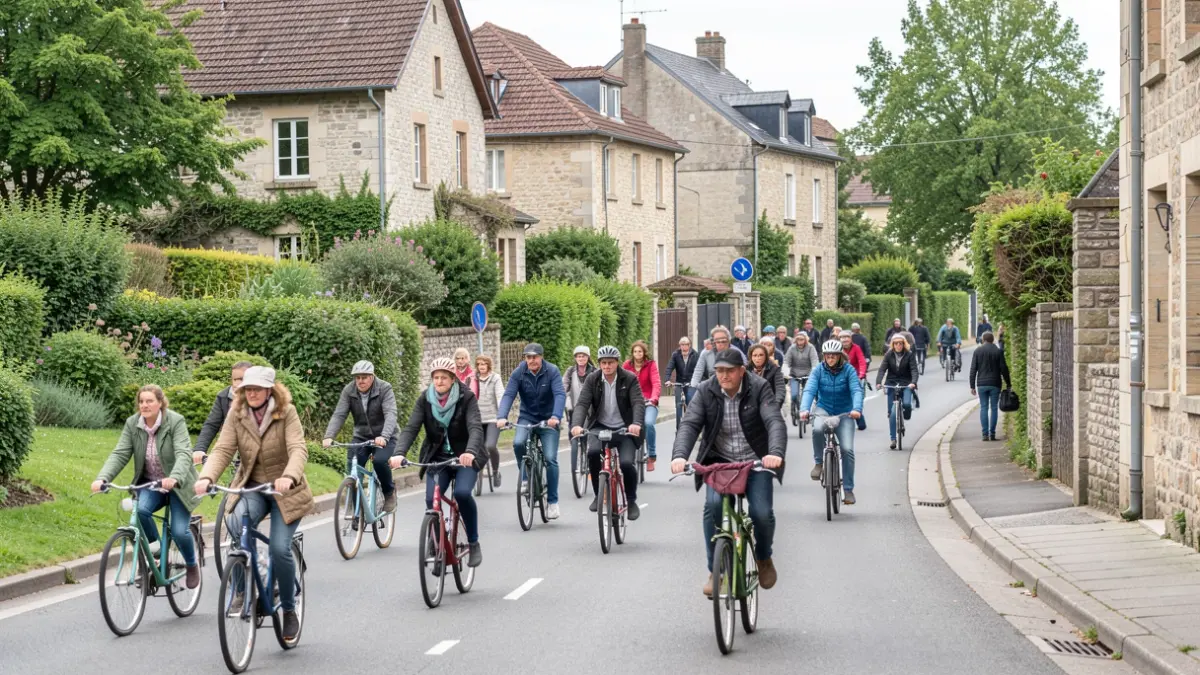
The Car-Free Day, a highlight of the event, allowed many municipalities to temporarily rethink the use of their streets, favoring pedestrians, cyclists, and social encounters. This Walloon initiative demonstrated the positive impact of reducing motorized traffic on urban life.
The Pedestrian and Cycling Challenge was a great success, with over 190 structures participating and accumulating an impressive total of 181,813 kilometers covered. Winning organizations and schools received bicycle repair stations, while daily prize draws offered €200 vouchers for sports stores to participants.
Various local initiatives took place across Wallonia, including walks in business parks, school and work bike buses, bike workshops, road safety activities, inaugurations of RAVeL sections, a Bicycle Museum, a Kidical Mass, and the deployment of articulated electric buses in Liège.
By placing walking at the heart of the edition, the Mobility Week underscored its fundamental importance as the first and last link in many journeys. This accessible mode of transport contributes to health, reduces CO₂ emissions, and improves public spaces. The goal is to encourage sustainable changes, both individually and in the mobility policies of institutions.