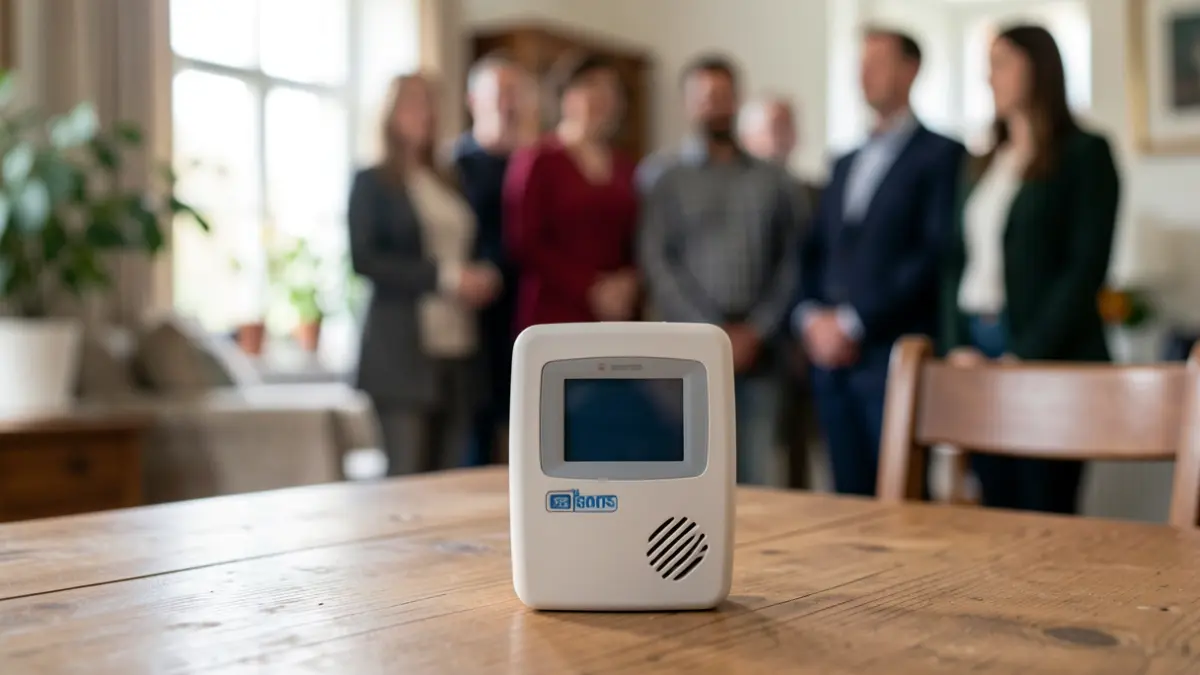
Radon, a naturally occurring radioactive gas, can infiltrate buildings from the subsoil. When inhaled, it reaches the lungs and can damage tissues, increasing the risk of lung cancer. In Belgium, it is responsible for approximately 480 lung cancer cases annually, and only 4.8% of households in Brabant are aware of their radon levels. Smokers are particularly vulnerable to the combined effects of radon and tobacco.
Radon originates from the decay of uranium naturally present in the Earth's crust, particularly in schistous and granitic rocks. Its concentration can vary significantly depending on local geology. In Belgium, the southern part of the country is more affected than the north due to the nature of the subsoil.
The European directive from 2018 sets the reference level at 300 Bq/m³. The Federal Agency for Nuclear Control classifies radon risk zones into 5 classes. The municipality of Chaumont-Gistoux is in class 0, with the highest recorded measurement at 234 Bq/m³ among the 134 households that have already tested.
Citizens can order a radon detector from www.actionradon.be for 20 euros. This price includes detector shipment, its analysis by a specialized laboratory after 3 months of exposure, result communication, advice for reducing concentration if it exceeds 300 Bq/m³, and a remediation visit by SAMI of Walloon Brabant if the concentration exceeds 600 Bq/m³.
Regular ventilation of buildings is crucial for maintaining good indoor air quality and reducing radon concentration, especially during colder periods of the year.