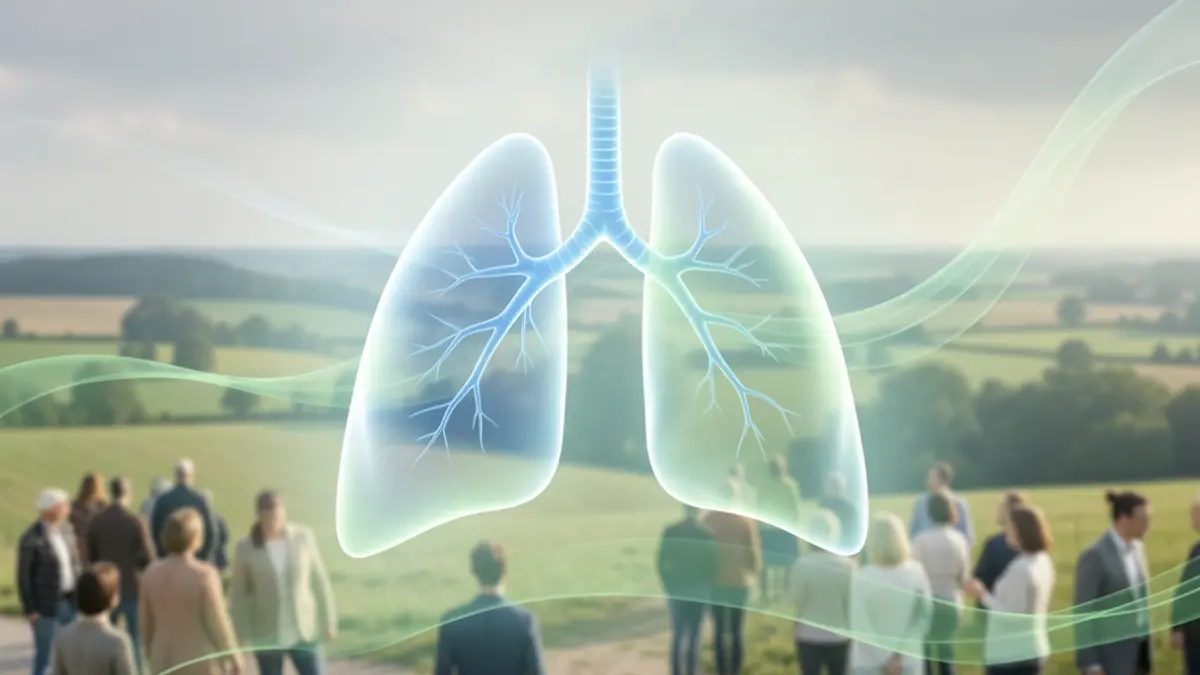
Invisible, odorless, and tasteless, radon is nonetheless dangerous. Recognized as the second leading cause of lung cancer after smoking, it is reportedly responsible for over 500 lung cancer cases annually in Belgium. This natural radioactive gas, originating from the subsoil, can infiltrate buildings through cracks, joints, cellars, or pipes, and accumulate there.
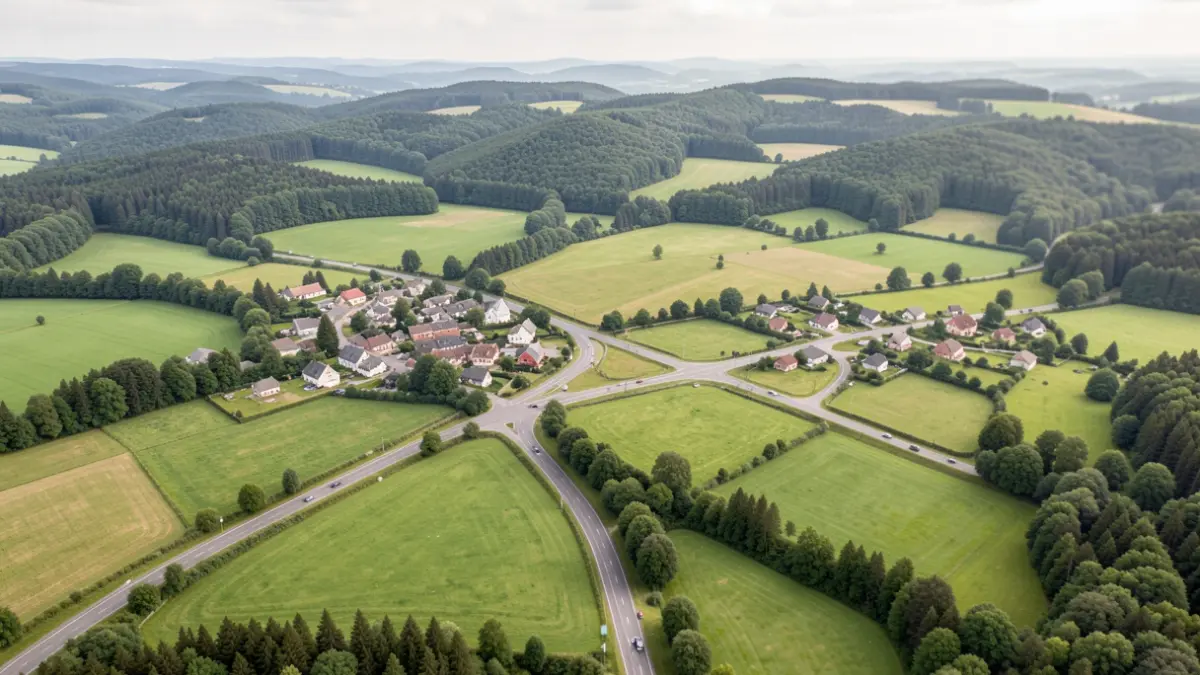
Previous measurement campaigns confirm the presence of this harmful gas in the province: 31 out of 43 Luxembourg municipalities are classified as 'high radon risk,' and 20% of tested homes in our province show excessively high radon concentrations, reaching 30% in four municipalities (Houffalize, Saint-Hubert, Vaux-sur-Sûre, Neufchâteau).
Since the launch of the Radon Action initiative, over 1,600 homes with excessive radon concentrations have already been identified. However, more than 20,000 additional homes could still be affected. This figure underscores the importance of continuing awareness efforts and encouraging citizens to have their home's radon concentration measured.
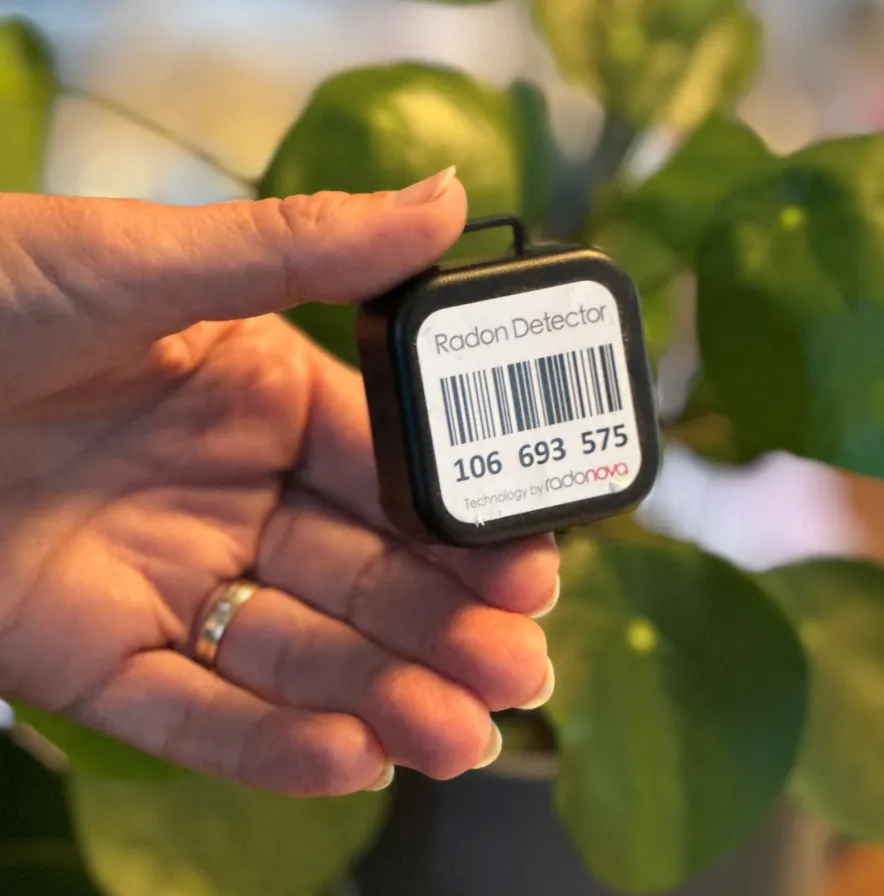
The only reliable way to know if a home is exposed to radon is to measure its concentration. This involves placing a small detector in a ground-floor room for three months. The device is then analyzed to determine the radon level. Detectors, sent between October and January, are offered for 20 euros, including analysis and guidance on solutions for high concentrations.
Detectors can be ordered via the online form or by contacting SAMI-Lux directly: samilux@province.luxembourg.be | +32 (0)84 31 05 03. They are mailed and fit through letterboxes.
If the measured radon level exceeds the reference level, solutions exist to reduce its presence: improving ventilation and sealing, installing adequate ventilation, or undertaking specific works. The Province of Luxembourg supports citizens at every step, providing information, advice, and free assistance in finding suitable solutions.