The decision to switch to biodegradable white bag collection for organic waste, effective from January 1, 2027, aims to optimize waste management in Beauraing. This transition is explained by the low usage rate of current chip-enabled bins, with only 30% being actively used. Rather than replacing the chips, a deemed unwise expense, the municipality is opting for a solution already proven in other municipalities affiliated with BEP Environnement for over 15 years.
Collection days will remain unchanged. For residual household waste, collection will continue in the usual grey bins. Old green bins can be kept for other uses or deposited empty at the recyparc from January 5, 2027, for recycling. A six-month period is granted for this deposit. The municipality reminds that green bins will no longer be accepted for organic waste collection from January 1, 2027, even if they contain regulatory bags.
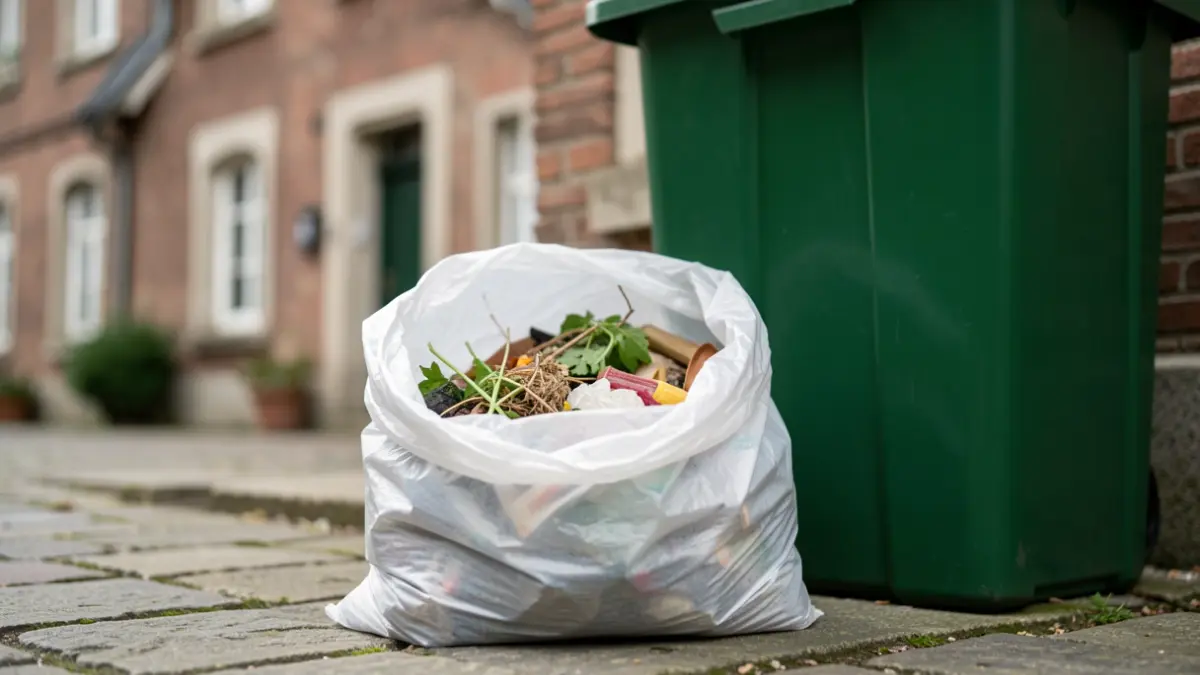
Official biodegradable bags, stamped by BEP Environnement, will be available for €3 per roll (containing 10 bags of 25 liters) at local shops and from the municipality. Only these regulatory bags will be accepted. It will be possible to put out one or more bags per week, independently of the residual waste bin. Sorting organic waste considerably lightens residual bins, encouraging residents to present the grey bin only when it is full, or even once a month depending on waste production.
From 2027, the municipal tax will include a limited number of grey bin collections, with each additional pickup being charged. Therefore, sorting organic waste is encouraged to reduce costs. Accepted waste includes peelings, food scraps, coffee grounds, tea bags, small garden waste, paper towels, and paper tissues. Plastic bags and films, diapers, wipes, and mineral cat litter are excluded. Collected organic waste is valorized into compost and biogas, contributing to electricity production and reducing residual waste.
To ensure the durability of biodegradable bags, it is advised to place a sheet or two of newspaper at the bottom to absorb moisture, avoid depositing overly hot or wet waste, store bags in a cool, dry place, do not overfill them, and limit filling to a maximum of two weeks. Promoting ventilation and avoiding direct contact with the ground are also recommended.