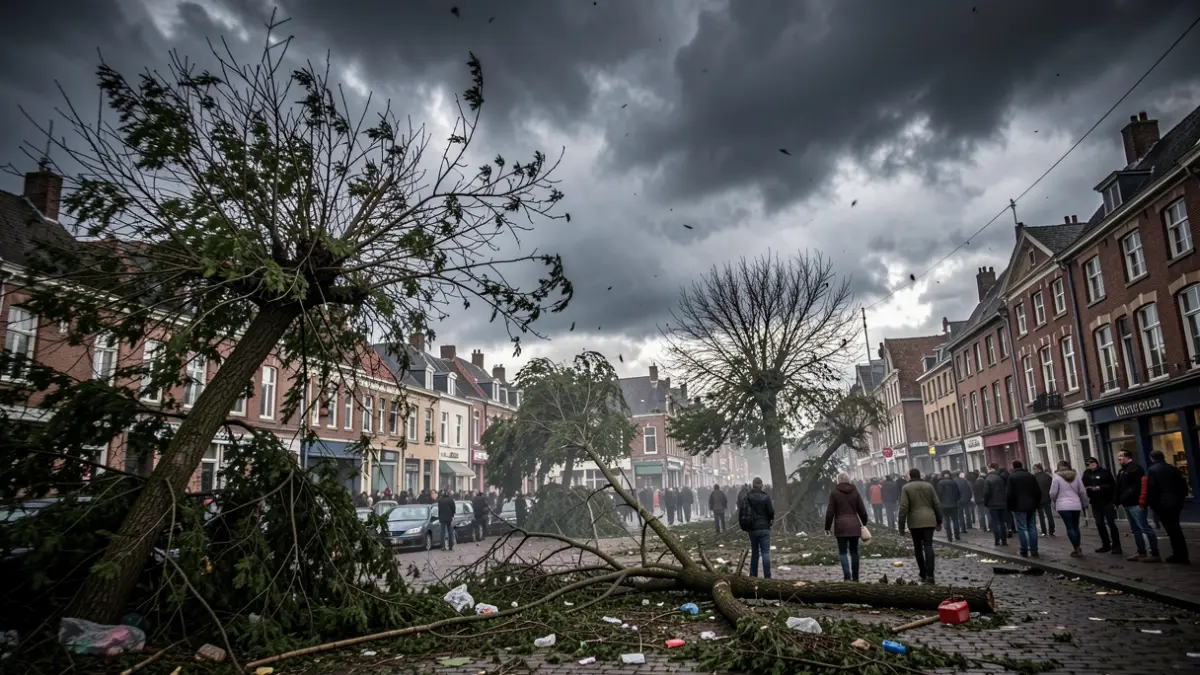
In response to an increase in crises such as the coronavirus pandemic, the 2021 floods, storms, heatwaves, and the recent fire in the Hautes Fagnes, the National Crisis Centre is launching an awareness campaign and publishing a guide filled with tips to encourage citizens to adopt the right reflexes. Preparation is seen as the best way to mitigate the consequences of emergencies.
Bernard Quintin, Minister of Security and Interior, emphasizes the importance of citizen resilience. "Crises and threats are multiplying, in Belgium and elsewhere. [...] Our message is clear: being well prepared means being better protected," he states. The "Prêts Ensemble" (Ready Together) campaign aims to strike a balance between panic and naivety.
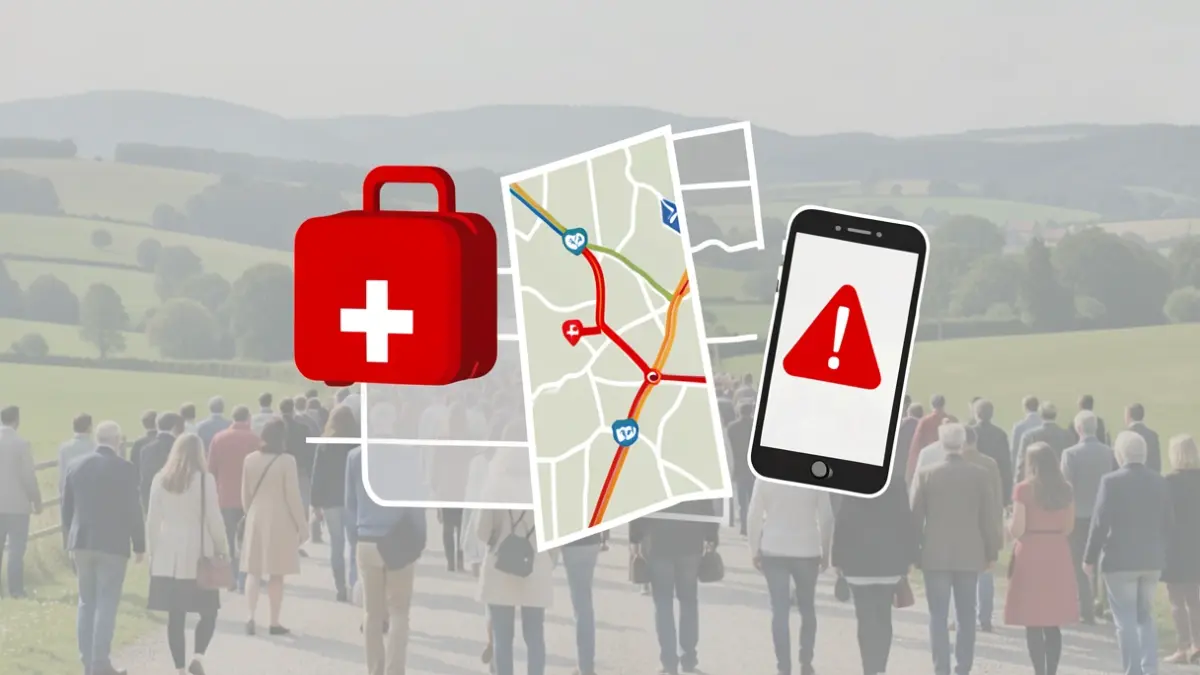
The practical guide, available in four languages (Dutch, French, German, and English), offers step-by-step preparation. It includes simple yet essential advice: consult reliable information sources, register for BE-Alert, develop a household emergency plan, prepare an emergency kit, and adopt correct reflexes such as calling 112 or taking shelter. These actions enable citizens to be self-sufficient during the initial hours of a crisis, allowing emergency services to prioritize the most vulnerable.
Jack Hamande, Director General of the National Crisis Centre, stresses that good preparation does not require being an expert. "You don't need to be an expert to be ready. With reliable information, an emergency kit, and by adopting the right reflexes, you are already well-prepared to face unforeseen emergency situations," he asserts.
The importance of registering for BE-Alert is also highlighted, even with the availability of geolocated alerts. Registration allows users to save up to five addresses, ensuring information delivery even outside an incident zone, whether for professional, family, or school reasons. Registration is free via www.be-alert.be.