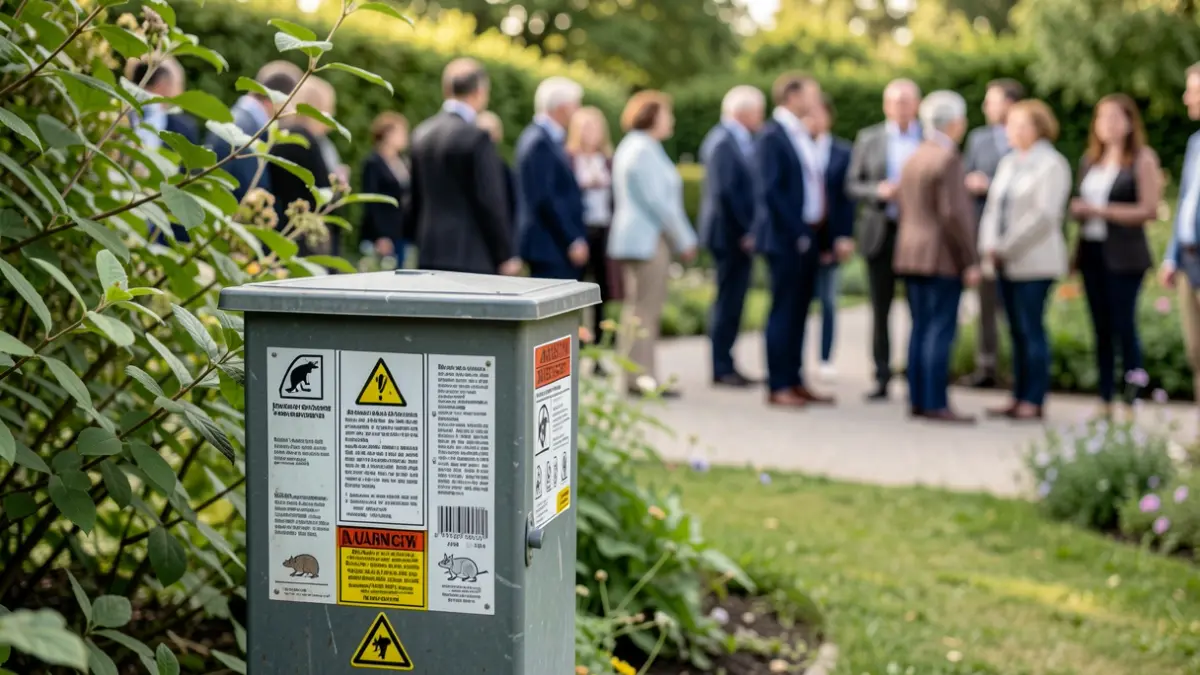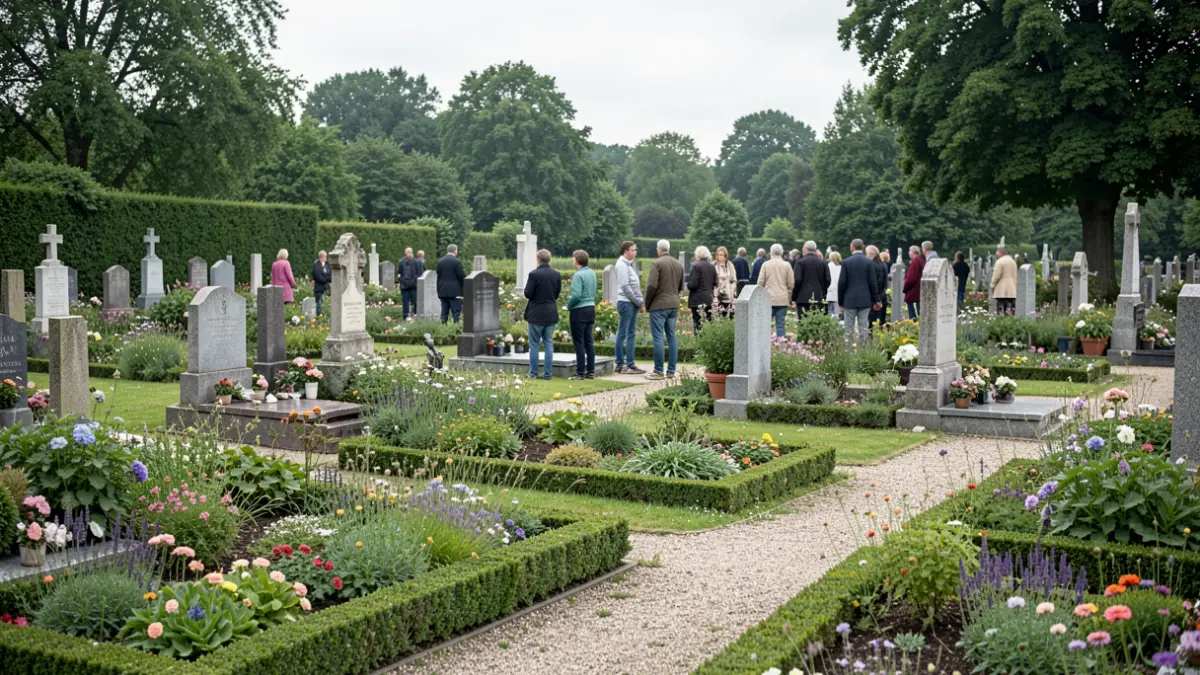
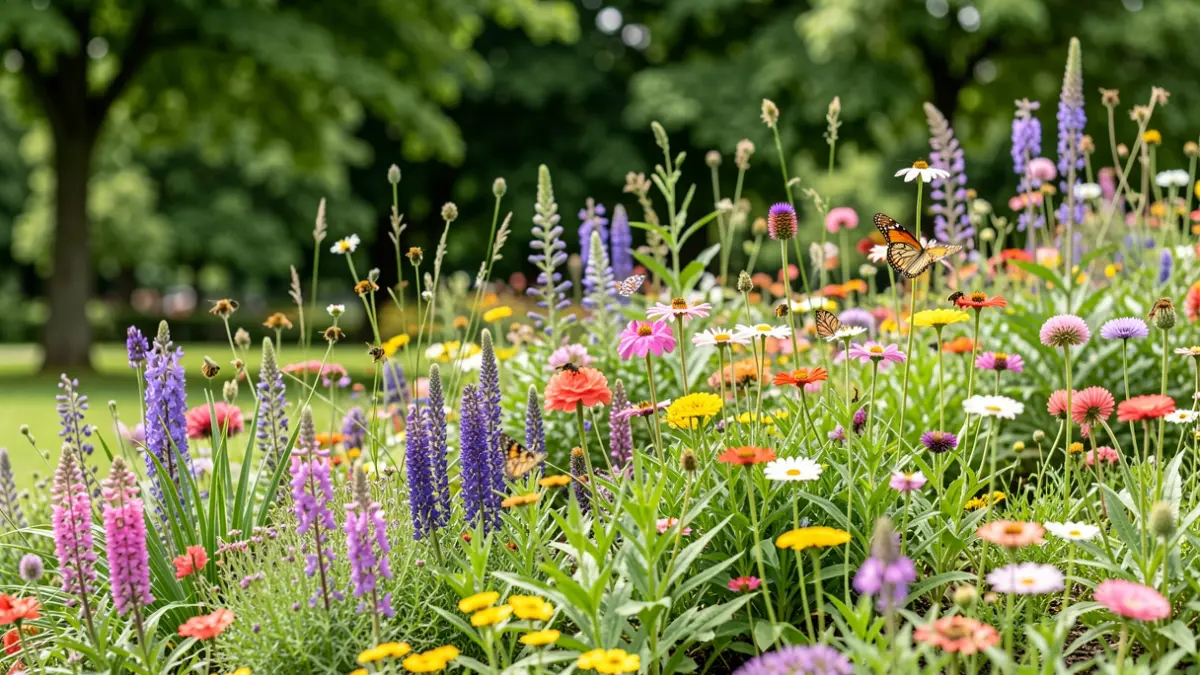
This approach is part of a strategy for differentiated management of green spaces. The goal is not to reduce the number of flowers, but to promote more long-lasting species that benefit biodiversity and require less water and upkeep.
More diverse and resilient plantings, particularly against drought and heatwaves, help limit water and renewal needs. Depending on the location, the City may favor perennial plants, drought-resistant vegetation, species offering nectar and pollen, and associations with flowery meadows or spontaneous vegetation areas.
Some high-traffic areas will maintain a more structured floral display, while others will transition towards more natural vegetation. Accepting less uniform spaces, where faded plants or seeds can play a role in biodiversity, is key to this new approach.
The aim is to create greater diversity and continuity in blooms while reducing water and maintenance needs. The central question becomes: how to make each space pleasant, flowery, beneficial to biodiversity, and less demanding in terms of upkeep?