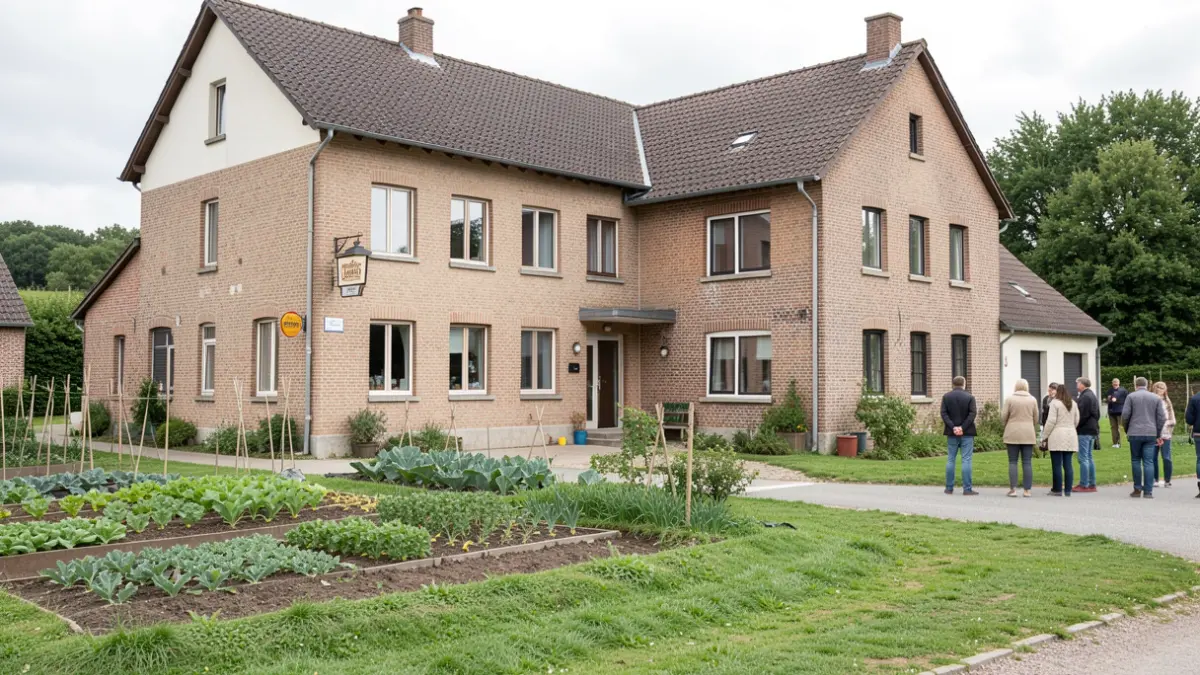
To address the challenge of establishing small local food businesses in an area with scarce and expensive space, Agricoeur was launched in Frasnes-lez-Gosselies. Initiated in 2022 by the GAL Pays des 4 Bras, the project repurposes an existing communal building to host production, processing, logistics, and sales activities.
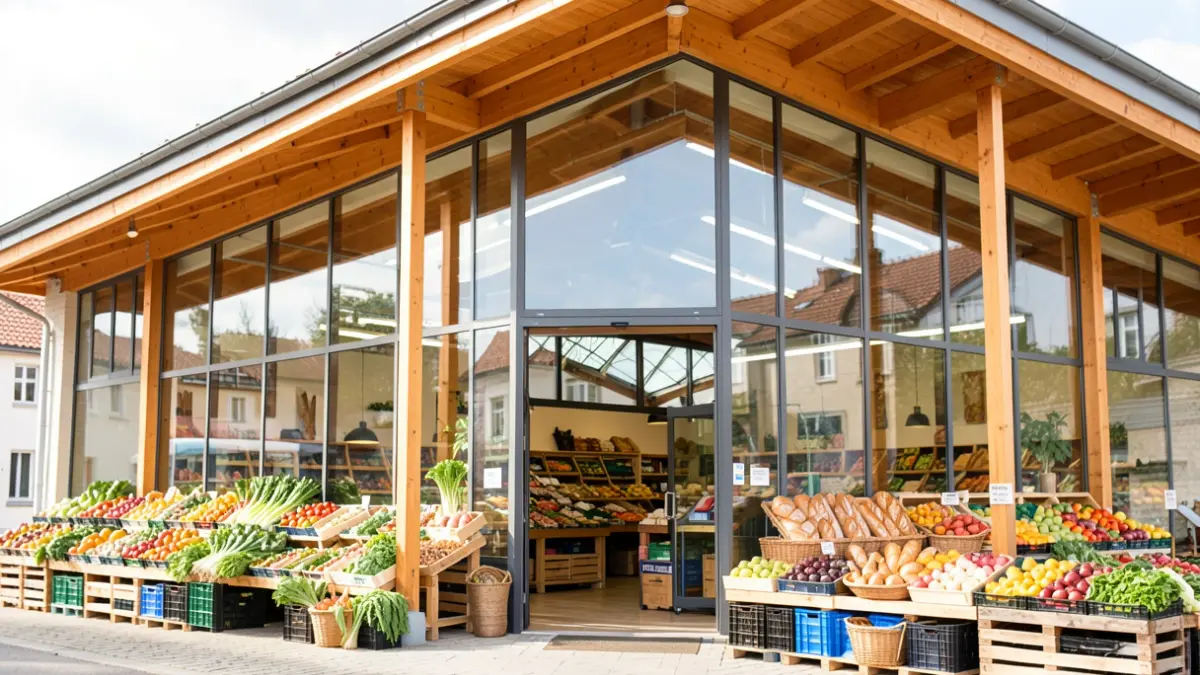
The site now features six private workshops, a professional kitchen, a cold room, storage and logistics areas, and market garden plots equipped with a rainwater harvesting system. Currently, 18 operators occupy all the developed spaces, including a microbrewery, an artisanal bakery, market gardening, herbal tea production, a bulk grocery store, and order preparation services.
« Agricoeur is a place that brings together about twenty structures around common objectives: social economy, food relocalization, territorial development, and short circuits », explains Stéphanie Baras, the coordinator of this nourishing third place.
Sharing infrastructure helps entrepreneurs reduce costs. Beyond economics, proximity fosters exchange and synergy creation. Antoine Labis, co-founder of Brasserie des Beaux Jours, and the Miettes et Compagnie bakery highlight the importance of these encounters for visibility, partnerships, and mutual support. Concrete collaborations are emerging, such as beers that valorize site productions or grouped orders.
The goal is to enable more local productions to be processed, distributed, and consumed within the territory. The on-site brewery processes 16 tons of cereals annually, 40% of Walloon origin, and the bakery aims for at least two tons of organic Walloon flour per year. The Epicoeur cooperative assembles orders from five local market gardeners to supply about 80 families weekly, and the professional kitchen prepares local soups for 300 local students.
Agricoeur is also open to residents through its guinguettes, activities, and events, making local food a concrete and accessible reality for a wider audience.
The building's transformation benefited from a €200,000 support from the National Recovery and Resilience Plan, as part of the « Relocaliser l’alimentation en Wallonie » call for projects. This funding was essential for adapting the building to food activities.
Ultimately, Agricoeur demonstrates that relocalizing food production requires providing local actors with the spaces, tools, and opportunities to collaborate, thereby reducing installation barriers and helping local products reach consumers.