This adjustment, which is not intended to replenish municipal coffers, is necessitated by an increase in billing from the inter-municipal company BEP Environnement. This will amount to approximately €4.75 more per inhabitant for all municipalities in the Province of Namur in 2027, with a similar rise anticipated for 2028.
Several external factors are impacting waste management, despite cost-saving measures already implemented by BEP. These include reduced regional subsidies (end of the APE), the rising cost of living (fuel, salaries, vehicle renewal), lower revenue from the resale of sorted materials, and new environmental and safety standards. Furthermore, the Walloon Region mandates the "truth-cost" principle, requiring a revenue-to-expenditure coverage rate between 95% and 110%.
The increase exclusively affects the flat-rate portion of the tax, as the costs charged by BEP Environnement are related to fixed and structural expenses, independent of the amount of waste each household produces. This approach aims to distribute the increase equitably among all citizens and continue to incentivize good sorting practices by keeping the variable part unchanged.
The 2027 rates include the maintenance of reductions for beneficiaries of RIS, BIM status, or GRAPA (ranging from €30 to €70). An annual flat reduction of €25 on the variable part is also granted to families with a child under 3 years old, individuals with incontinence (with medical certificate), and registered childcare providers recognized by the ONE.
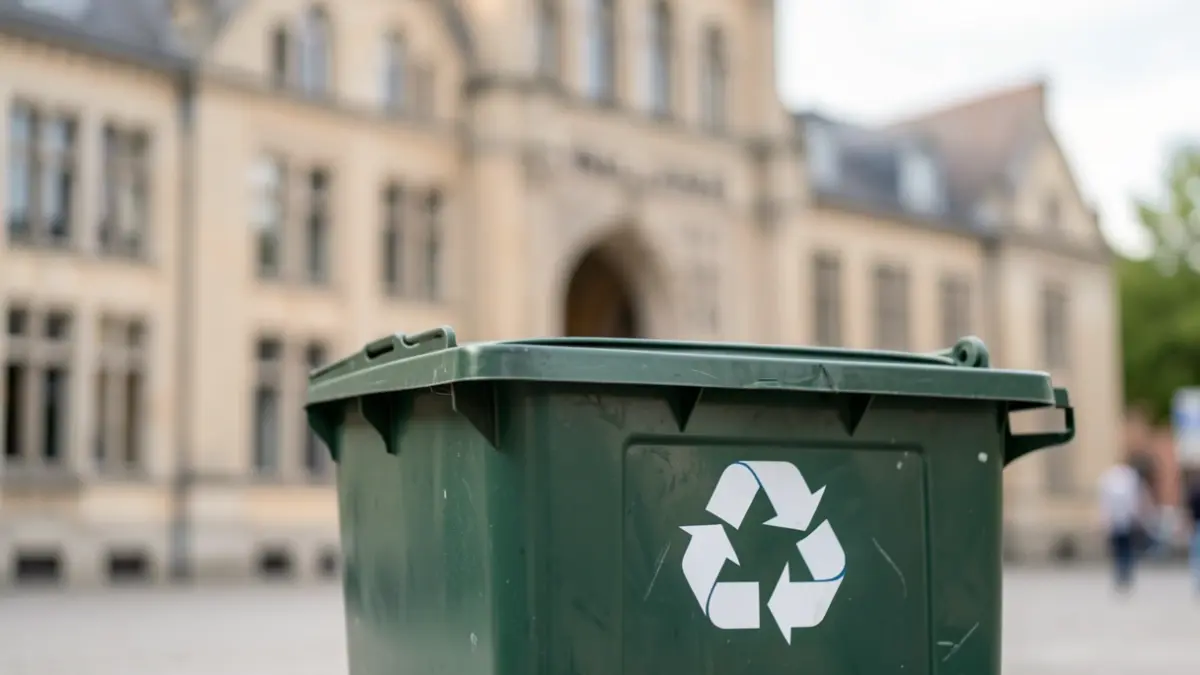
It is important to distinguish the household waste tax from the public cleanliness tax. The former finances the entire household waste management chain (collection, transport, sorting, recycling, prevention, recycling centers), while the latter covers public cleanliness and the removal of illegal dumping.
For more information on recycling and cost evolution in the Province of Namur, BEP Environnement offers educational video capsules on YouTube.